Safety

What to Ask When Shopping for Ergonomic and Safety Equipment

When there are ergonomic issues in a plant, there are most likely production bottlenecks, waste or even lost time injuries. Since there is usually more than one way to solve a material handling (MH) problem, finding the best ergonomic solution and/or safety equipment is an investigative process. Here are some simple steps to start that process: 1. Ask yourself, “In ...

Read More »

Ergonomic Workstations and Height Adjustable Tables Reduce Work Stress

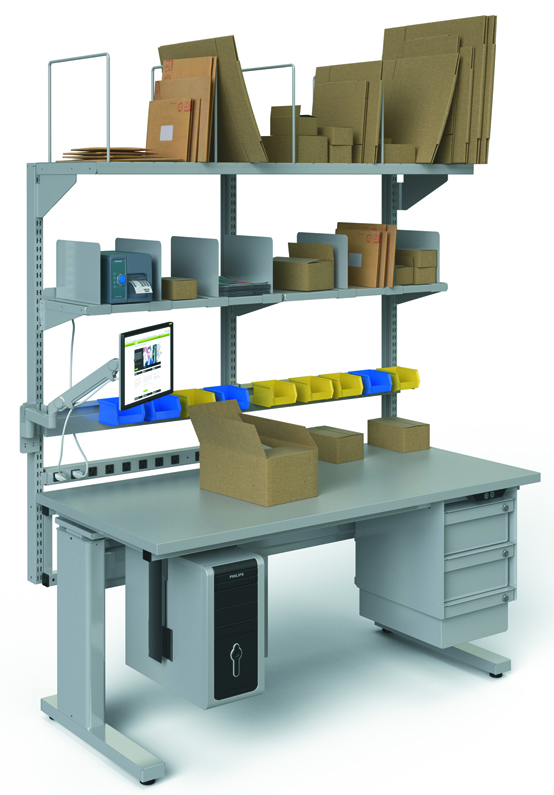
Ergonomic workstations bring the work to the workers by optimizing the fit between people, their tools, the task and their environment. Examples include raising tables or using tilting work surfaces. The goal is to avoid forcing operators to lean over to do their work using a poor posture that could result in low back and/or upper back discomfort, explained Kelly ...

Read More »

Integrating Barrier Protection with Ergonomics

Workers doing manual material handling have the best chance of avoiding injury in workplaces where barrier protection is integrated with ergonomic equipment. In planning or reviewing what safety equipment to use in your plant, look at potential physical risks to workers from machines, slipping and falling and falling debris at the same time as considering ergonomic hazards of the job ...

Read More »

Protective Barriers Reduce Product Damage and Accident Risk

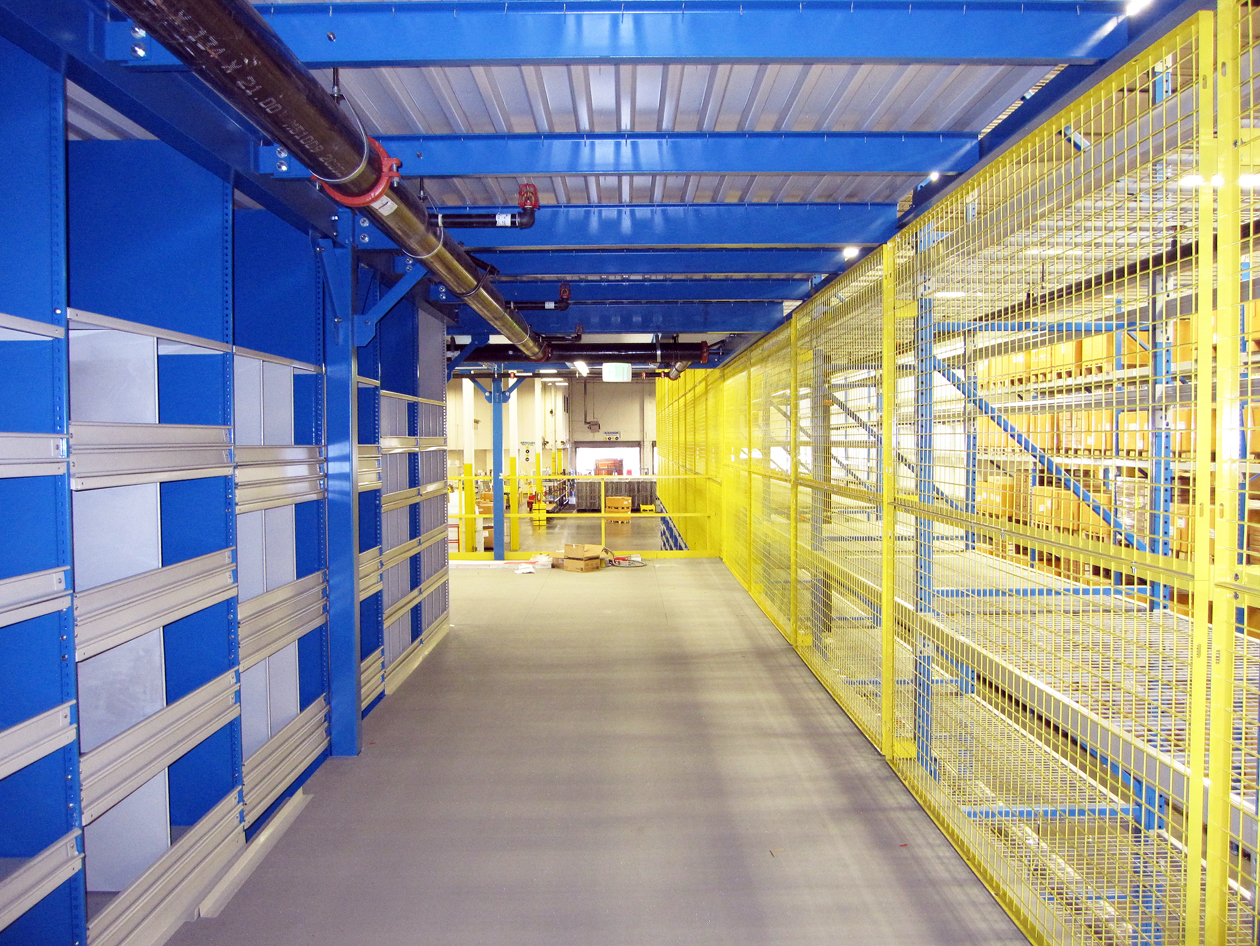
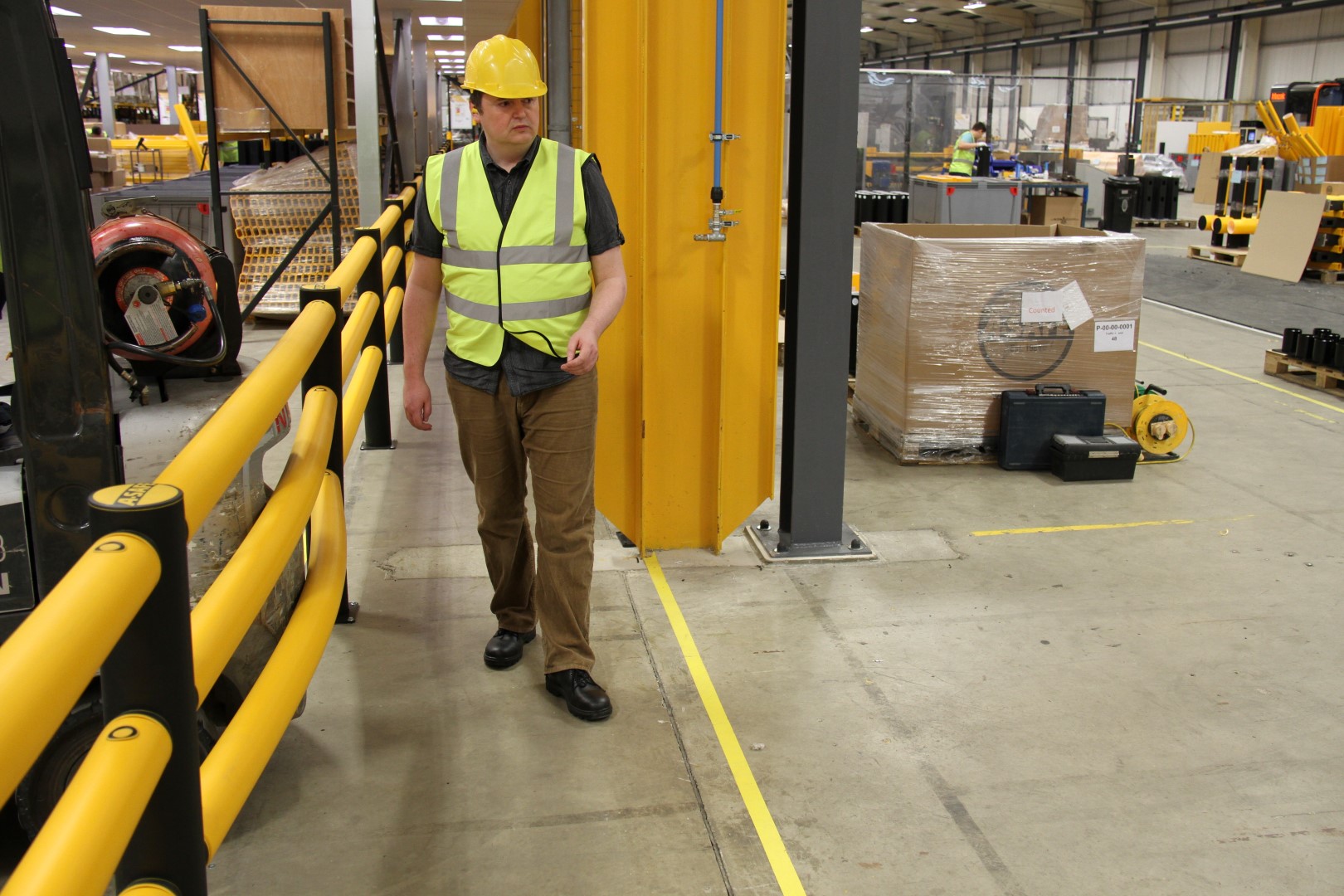
People and equipment share the space in a warehouse with product inventory. When anything moves from one place to another, there is the risk of accidents, injuries or product, equipment and facility damage. By installing appropriate protective barriers, many of those negative consequences can be prevented. Protective barriers are typically installed to designate the edges of pedestrian walkways and paths ...

Read More »

Insurance Companies—Advocates for Reducing Workplace Injuries

A resource for reducing injuries associated with manual material handling (MMH) your company may have overlooked is your insurance carrier. Many insurance companies offer their policyholders no cost programs designed to analyze MMH tasks and develop solutions to minimize worker stress while saving money for their employers. Motion is Money® Motion is Money® from CNA begins when Brian Roberts, director, manufacturing ...

Read More »

Manual Material Handling—Ergonomics Required

Despite the introduction of robotic and other mechanical means of moving materials, manual material handling (MMH) is still an essential part of the supply chain process. To minimize the injuries from the repetitive motion involved in MMH means companies must introduce ergonomic interventions. Two major factors impact the need to improve MMH methods: the available pool of workers and market ...

Read More »

Ergonomic Lifting Equipment

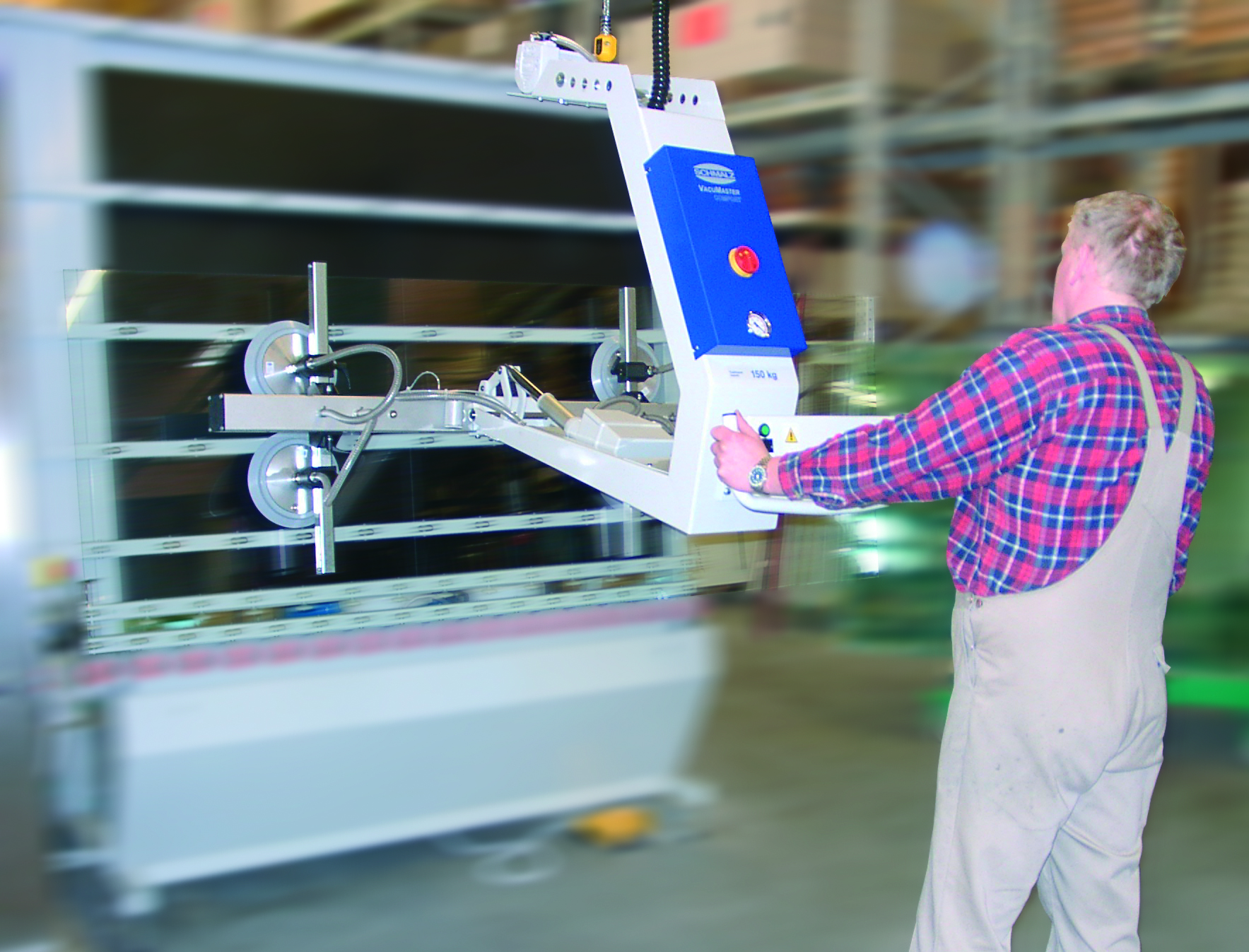
One of the more common tasks in material handling is people lifting objects. Historically this manual material handling has been done without assistance from lifting or positioning equipment. Unfortunately, encouraging workers to “lift correctly” has provided little measurable benefit in reducing the use of improper lifting procedures. Improper lifting can result in injuries, accidents and a loss in productivity. In ...

Read More »