 MHI Solutions Improving Supply Chain Performance
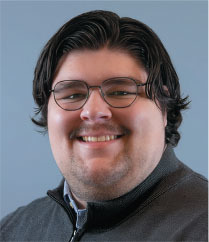 Gabriel Mangum, Software Engineer
Q: WHY WERE YOU ATTRACTED TO MHI AND TO THIS INDUSTRY AS A CAREER CHOICE?
A: My background is in front‑end development, mostly in financial services, which is meaningful work but often abstract. What drew me to MHI and this industry is the immediacy of the impact. Supply chain touches everyday life in real, visible ways. Add the technological innovation happening here, robotics and automation especially, and it felt like a genuinely exciting place to bring my skills.
Q: WHAT’S A GOAL YOU HAVE FOR YOURSELF THAT YOU WANT TO ACCOMPLISH IN YOUR ROLE AT MHI IN THE NEXT YEAR?
A: In my first year, I want to develop a genuine fluency in this industry. Coming from financial services, I understand systems and users well, but I want to go deeper here, learning the member landscape, the challenges companies in this space face and how MHI creates value for them. That context will make me a far more effective contributor and better partner to everyone I work with.
Q: WHAT ASPECT OF THE INDUSTRY IS MOST INTRIGUING TO YOU?
A: The intersection of robotics and automation with real‑world logistics is what captivates me most. We’re at a point where technology isn’t just improving efficiency; it’s fundamentally reshaping how goods move through the world. As a developer, I find it fascinating to watch software and hardware converge to solve problems that directly affect people’s everyday lives.
Q: WHAT’S A TYPICAL DAY LIKE FOR YOU?
A: Most days start with a brief team check‑in to align on priorities, and then it’s heads‑down development from there. A good portion of my day is focused, independent work, building and refining features, but I genuinely enjoy the collaborative sessions too, whether that’s working through a problem with fellow developers or partnering with another team on a shared goal.
Q: IF YOU COULD TRANSPORT BACK IN TIME, WHAT WOULD YOU TELL YOUR 15‑YEAR‑OLD SELF?
A: Invest in Bitcoin, ha ha—but jokes aside, I would tell myself not to be afraid of hard things. It is easy at 15 to shy away from what feels difficult or unfamiliar, but some of the most rewarding experiences in my life came from pushing through that discomfort. The best things really do live on the other side of a challenge.
Q: WHAT ARE YOU HAPPIEST DOING WHEN YOU’RE NOT WORKING?
A: Outside of work, I’m happiest doing something that lets me slow down and be present. I love reading in my backyard when the weather allows, and I really enjoy cooking new recipes with my partner. There’s something satisfying about trying something unfamiliar in the kitchen and having it come together well.
Q: DO YOU HAVE A FAVORITE HOLIDAY?
A: Thanksgiving is my favorite without question. It brings together two things I love most, spending time with family and cooking. There’s something special about preparing a big meal for the people you care about. It’s one of the few times a year where the whole focus is just being together, and I look forward to it every year.
Q: WHAT IS THE LAST BOOK YOU READ?
A: The last book I read was “A Lion Tracker’s Guide to Life” by Boyd Varty. It draws on his experiences tracking lions in the African wilderness and connects those lessons to how we navigate uncertainty and find purpose in our own lives. It is a short read but genuinely thought‑provoking, and I would recommend it to anyone.
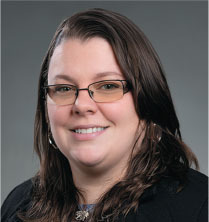 Allie Shults, Software Engineer
Q: WHY WERE YOU ATTRACTED TO MHI AND TO THIS INDUSTRY AS A CAREER CHOICE?
A: I entered the industry through technology. The scope of technology that impacts the supply chain is a massive and exciting landscape that’s constantly growing and innovating. There’s something new to see every year, and even with recent advancements, it feels like we’re only scratching the surface of what we can achieve. MHI sits at the center of that. Getting to build software inside an organization with that kind of reach was the draw.
Q: WHAT WAS YOUR FIRST IMPRESSION OF THIS INDUSTRY, AND HAS IT CHANGED SINCE THEN?
A: My first impression was how vast and interconnected this industry is, and how much of daily life quietly depends on it working. Every product on a shelf, every package at a doorstep, every part that arrives at a factory on time is the result of a supply chain most people never see. That impression has only deepened the longer I’ve been here. The complexity is enormous, and the industry is on the leading edge of robotics, automation, artificial intelligence (AI) and digital transformation. Every time I think I have a handle on where things are headed, something new pushes the boundary again, and what we achieve is really amazing.
Q: WHAT DO YOU THINK ARE THE BEST SKILLS THAT YOU BRING TO YOUR POSITION AT MHI?
A: I’m a full‑stack developer who specializes in platform engineering and security architecture for web applications. I build the infrastructure that production applications depend on, like the authentication systems, the authorization frameworks and the integrations that tie enterprise platforms together. The security of every layer has to be right before anything else gets built on top of it. At MHI, I’ve scaled our platform’s security architecture into a multi‑layered authorization framework that enforces per‑user data access from the database layer up, and more recently I’ve built Model Context Protocol (MCP) servers that give our teams secure, per‑user access to organizational data through conversational AI. My foundation was built in enterprise environments before MHI, and what I bring is the ability to work thoughtfully inside complex existing systems and know when it’s time to rebuild versus when to extend.
Q: WHAT’S A TYPICAL DAY LIKE FOR YOU?
A: A typical day is that of a scrum team in sprint. We have a team meeting every morning to check in on progress against current deliverables. I have dev meetings with Seth and Gabriel, our other developers, to dig into technical details and work through architecture decisions together. I meet with Fran, our business analyst, to talk through business needs and how we can keep polishing the user experience (UX) and user interface (UI) for our members and build out more features for them. The rest of the day is heads down development, code review and the occasional staff support request coming in through our backlog.
Q: WHAT’S A GOAL YOU HAVE FOR YOURSELF THAT YOU WANT TO ACCOMPLISH IN YOUR ROLE AT MHI IN THE NEXT YEAR?
A: This year we’re diving into the future of AI at MHI and building enhanced features on top of our new infrastructure, for both the MHI team internally and for our members. My goal is to be a meaningful part of that work by shipping AI capabilities that actually get used, and continuing to mature the platform so the next wave of features has a solid foundation to sit on.
Q: WHAT ASPECT OF THE INDUSTRY IS MOST INTRIGUING TO YOU?
A: The orchestration piece. The 2025 MHI Annual Industry Report framed it well. The industry is moving past adopting individual technologies and into connecting them end to end, with AI and robotics adoption both projected to grow significantly over the next five years. That’s the part that overlaps most with my job. The same problem our members are solving in their warehouses, getting disconnected systems to talk to each other and surfacing the right data to the right person, is essentially what I’m solving inside MHI’s own stack. Being part of an industry that’s actively trailblazing what an efficient, intelligent, end‑to‑end system looks like is genuinely exciting. We’re writing the playbook in real time, and there’s something rare about working in a space where the answers aren’t settled yet.
Q: DO YOU HAVE ANY UNIQUE SKILLS OR TALENTS THAT MOST PEOPLE DON’T KNOW ABOUT?
A: I’m an engineer who’s also a homesteader. Chickens, apple trees, a garden, all of it. I’m starting to build AI tools that bring those two worlds together, and some of the most interesting engineering problems I work on come straight out of my own backyard.
Q: WHAT IS AT THE TOP OF YOUR BUCKET LIST?
A: Building a real personal AI system that deeply integrates with our home. Something that understands how our household actually runs, from the garden to day‑to‑day logistics, and makes the place smarter and more self‑sufficient over time. It’s the kind of long arc project that takes years, and I’m excited to be at the start of it.
Q: IF YOU COULD LIVE ANYWHERE IN THE WORLD, WHERE WOULD THAT BE?
A: Honestly, less about the place and more about the land. I want space for a real garden and more animals, close enough to the ocean to visit often but inland enough for mild weather and good growing conditions, and far enough north that we’re guaranteed at least one good snow a year.
Q: WHAT ARE SOME CAUSES YOU CARE ABOUT?
A: Foster care and adoption advocacy. Both of our kids came home to us through that system, and it’s shaped how I see the world. These children arrive carrying more than most adults will ever have to carry, and what they need from the people around them is steadiness and to feel loved. It’s the most demanding thing I’ve ever signed up for, and it’s also the work I’m most proud of.